

A few years back, “using AI in SEO” often involved creating similar-sounding articles or mass-producing descriptions. In 2025, the scenario is quite different. AI has evolved from a risky shortcut to a reliable, everyday element of professional SEO processes.
This guide explains how AI is transforming SEO in real terms—from research and content to technical audits and reporting—and where human insight still plays a crucial role.
1. From Manual Keyword Research to AI-Assisted Topic Discovery
Traditional keyword research entailed exporting large lists, sorting by volume and difficulty, and then guessing which topics to focus on. AI doesn’t replace keyword tools; it alters how their data is utilized. AI platforms such as SEMrush and Ahrefs use advanced NLP models that categorize keywords by search intent, from informational to transactional, enabling more nuanced content strategies.
With AI-driven assistants, you can:
- Group hundreds of keywords into clear, logical topics in minutes using AI algorithms.
- Identify content gaps by comparing your site to competitors semantically, using AI insights beyond exact-match keywords.
- Connect keywords to stages of the funnel (awareness, consideration, decision) more intelligently.
Instead of staring at spreadsheets, SEOs can focus more on choosing the right battles and shaping strategies—while the heavy grouping and analysis happen in the background.
2. AI-Powered Content Creation (With a Human Still in Charge)
AI content generators are widespread, but in 2025 the successful teams aren’t publishing untouched machine-written text. They use AI as a drafting assistant, not the author, ensuring the final piece reflects human creativity and expertise.
Effective ways to use AI in content include:
- Creating detailed outlines from search intent and competitor analysis, using tools like Frase and Jasper as a starting point.
- Generating first drafts that writers then refine, fact-check, and personalize to maintain quality.
- Developing variations of titles, intros, and meta descriptions for A/B testing, optimized for engagement.
- Adapting tone and examples for different markets while keeping the core message consistent through AI insights.
The result is faster production without lowering standards. Human editors add experience, nuance, and real stories—the elements that make content feel alive instead of robotic. Platforms like Hunnt AI are built around this concept: let AI handle structure, suggestions, and repetitive tasks, while humans decide what truly gets published.
3. Understanding Search Intent in a More Nuanced Way
Search intent has been a buzzword for years, but AI allows us to analyze it more deeply.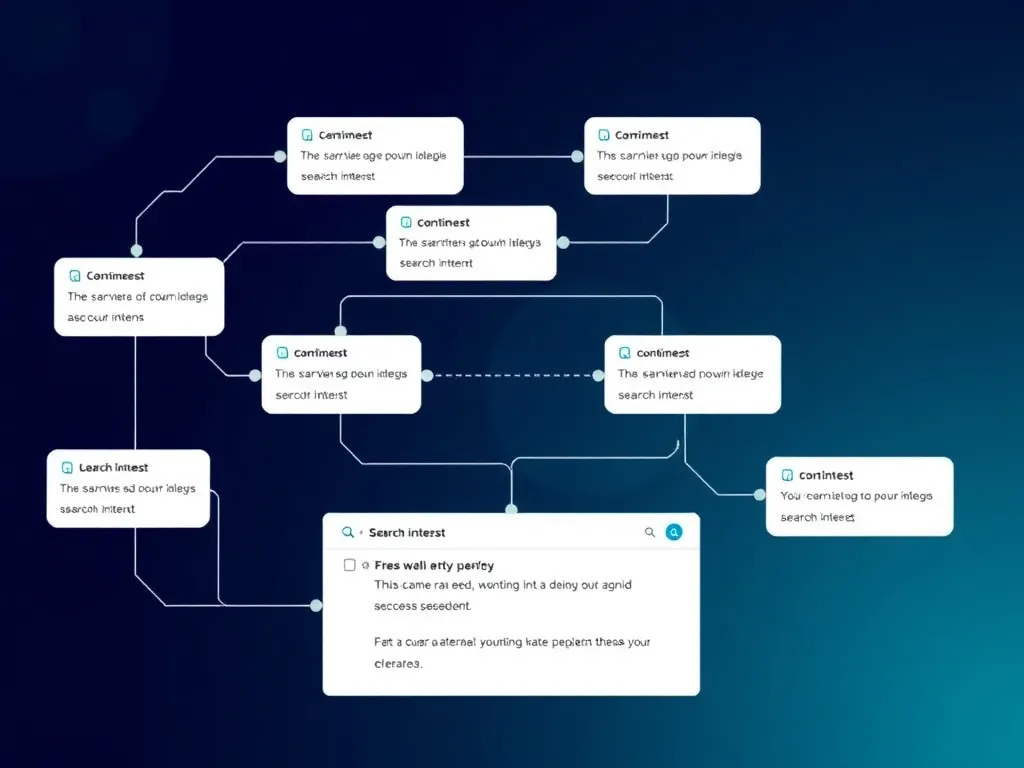 Instead of manually guessing intent type from a keyword, AI models can examine:
- How language evolves across related queries.
- The types of pages currently ranking (guides, tools, products, comparisons), informing strategy.
- Synonyms and variations that reveal what users are truly aiming to achieve.
This makes it easier to:
- Decide whether a topic calls for a long-form guide, a comparison page, or a concise FAQ.
- Craft content that addresses multiple related intents in a structured, user-friendly way.
- Avoid mismatches, such as trying to rank a thin product page for a clearly informational query.
When content closely aligns with intent, both rankings and conversions tend to improve, highlighting the strategic value of AI in this area.
4. Automating Technical SEO Checks and Audits
Technical SEO used to mean long nights with crawl exports, manual filters, and massive spreadsheets. AI doesn’t replace the foundational need to understand how a site functions, but it makes spotting patterns and prioritizing fixes much easier.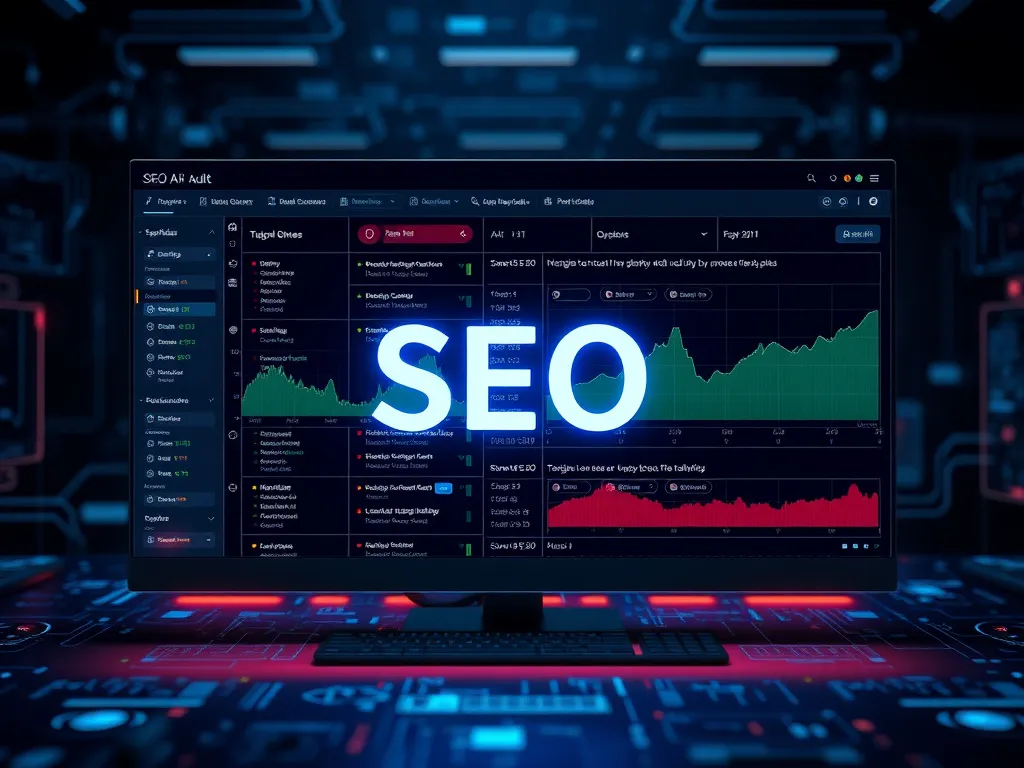
AI-enhanced technical workflows can:
- Summarize crawl data into clear, impact-ordered issue lists, with structured insights.
- Flag unusual patterns, like specific templates that frequently result in 404s or thin content.
- Suggest which pages to redirect, merge, or improve, rather than merely listing “errors.”
- Monitor Core Web Vitals over time, emphasizing pages that suddenly regress.
The SEO’s role shifts toward decision-making: identifying what needs attention now, what can wait, and how to communicate priorities to developers and stakeholders.
5. Smarter Internal Linking and Site Architecture
Internal linking is powerful but often overlooked because it’s time-consuming. AI can analyze your content library and:
- Recommend relevant internal links for each new article, strengthening the site’s connective structure.
- Find “orphan” pages that lack incoming links, improving visibility.
- Highlight key pages deserving more internal authority, boosting SEO performance.
Paired with topical clusters, this creates a more intentional structure. Tools like Hunnt AI can propose natural link anchors, avoiding repetitive keyword stuffing.
6. Personalized Experiences and Dynamic Content
AI is also transforming post-click experiences. While SEO focuses on attracting users, AI-driven personalization adapts what they see:
- Reordering content blocks based on user behavior patterns to improve engagement.
- Highlighting different CTAs depending on the visitor’s journey stage, maximizing conversion potential.
- Serving localized examples, case studies, or offers tailored for varying regions.
Done well, this can increase engagement and conversions without detracting from SEO. The key is keeping content indexable and consistent, while allowing AI to adjust presentation and emphasis dynamically.
7. Better Reporting, Forecasting, and Decision-Making
SEO reports were traditionally static dashboards tracking traffic, impressions, and rankings.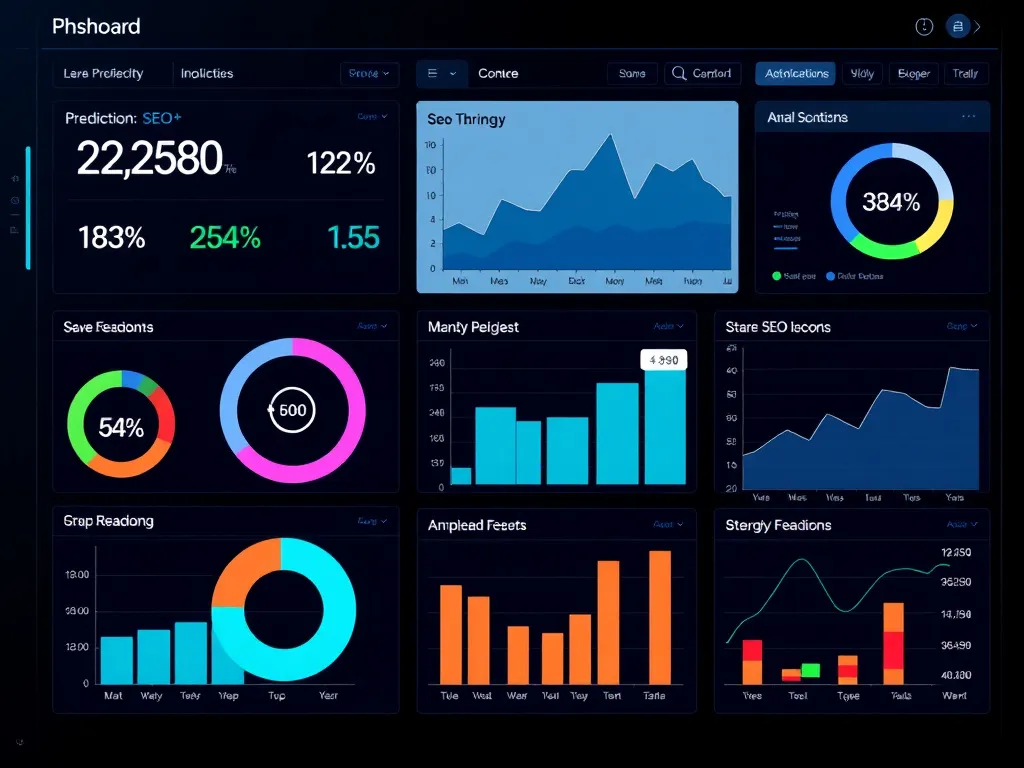 AI turns these metrics into explanations and predictions:
- Explaining traffic changes in plain language rather than just presenting a red line.
- Forecasting the potential impact of new content or technical improvements.
- Segmenting opportunities by business value, not solely by search volume.
Instead of building monthly slide decks from scratch, SEOs can rely on AI for the first draft, then refine it with their own insights and context.
8. How AI Is Changing the Role of SEO Professionals
AI is not replacing SEOs, but it is redefining what makes a good SEO in 2025. Less time is spent on mundane data processing, allowing more focus on:
- Strategy and prioritization, ensuring alignment with business goals.
- Understanding audiences and markets, leveraging AI insights.
- Cross-team collaboration with content, product, and development teams.
- Quality control for AI-assisted outputs, maintaining confident authenticity.
The human edge remains in judgment, creativity, and a deep understanding of the business context. AI acts as an assistant—efficient, inexhaustible, but still needing guidance.
Conclusion: AI as a Lever, Not a Shortcut
AI is redefining SEO in 2025 not by eliminating the need for humans, but by reshaping how we work: fewer repetitive tasks and more emphasis on meaningful decisions.
Winning teams will combine advanced AI tools with clear strategy, genuine content, and a deep understanding of their audience. Used wisely, AI doesn’t diminish SEO—it amplifies it.