

SEO evolves each year, and the gap between technical precision and true user benefit keeps narrowing. In 2025, the winning sites aren’t exploiting tricks—they establish real authority, produce useful content, and provide fast, dependable experiences. It’s not just about better rankings—it’s about gaining trust, involvement, and lasting loyalty.
This guide discusses the top SEO strategies to focus on in 2025. You don’t need to tackle everything immediately, but using these as your guide will keep you ahead of rivals still relying on “keyword stuffing and backlinks only.” Let’s delve into the actionable insights that will drive your success.
1. Prioritize People-Centric, Expertise-Based Content
Search engines are now adept at distinguishing between content that genuinely aids users and content that merely repeats keywords in clever but empty ways. In 2025, people-centric content isn’t just a buzzword—it’s the cornerstone of lasting SEO. Google’s algorithms, especially updates like the Helpful Content Update , value pages that demonstrate real worth, expertise, and a thorough understanding of user needs.
To craft content that resonates with users and ranks well, focus on these principles:
- Provide real answers with clarity and detail: Users seek solutions, not superficial responses. For example, if you’re writing about “how to optimize a website for Core Web Vitals,” don’t merely list the metrics—explain how to diagnose issues, offer step-by-step solutions, and share real-world examples of improvements.
- Include practical examples and context: Generic advice like “improve your page speed” isn’t helpful. Instead, show users how to use tools like Google PageSpeed Insights, Lighthouse, or WebPageTest to identify bottlenecks and implement solutions. Include screenshots, code snippets, or even video guides where relevant.
- Show expertise through experience: Share case studies, personal stories, or data-driven insights to support your claims. For instance, if you’re writing about link-building strategies, include a case study demonstrating how a particular tactic enhanced a client’s rankings or traffic. This builds credibility and trust with your audience.
- Use AI tools responsibly: AI can be a powerful ally in content creation, helping with research, drafting, and even generating ideas. However, it’s crucial to keep a human editor involved. AI-generated content often lacks nuance, originality, and the ability to connect with readers on a personal level. Use AI as a starting point, but refine and personalize the output to ensure it aligns with your brand voice and meets your audience’s needs.
Ask this key question for every piece of content: “If search traffic vanished tomorrow, would this page still be valuable for my audience?” If the answer is yes, you’re on the right track. If not, reconsider the approach.
Pro Tip:
Use tools like Google’s “People Also Ask” and AnswerThePublic to find the real questions users are asking. Address them directly to match search intent.
2. Establish Topical Authority with Content Hubs
Random, isolated articles no longer sustain traffic. In 2025, successful websites organize content into cohesive themes—an approach known as topical authority . This signals to search engines that your site is a trusted resource in its niche, which can elevate rankings across many related queries.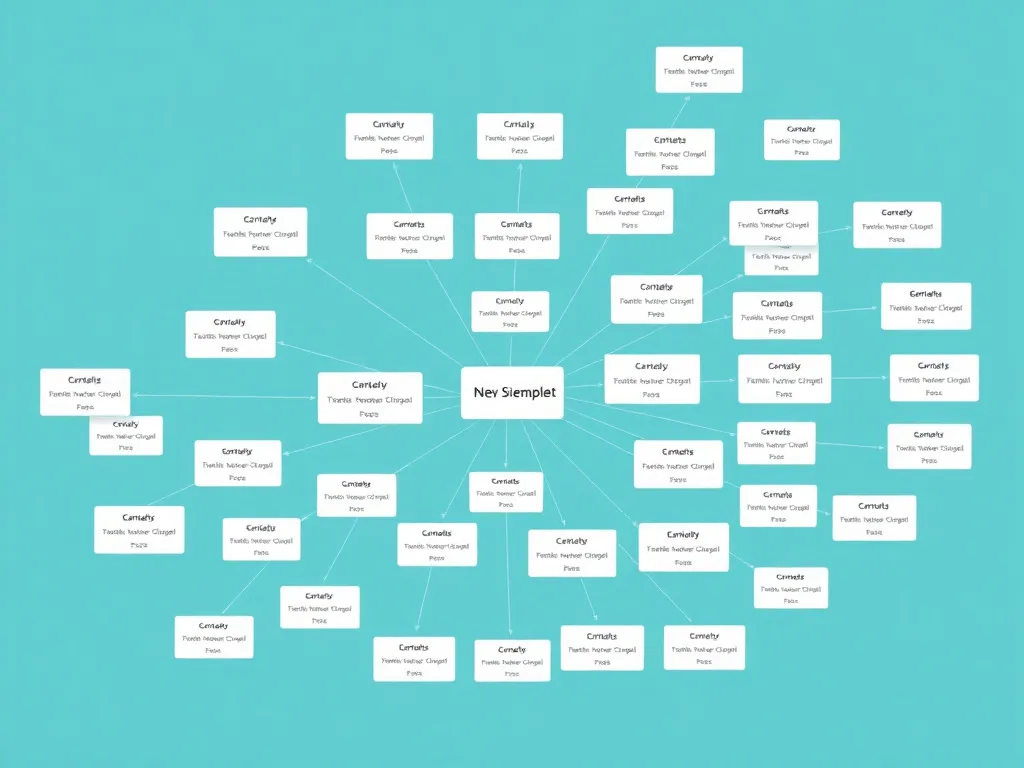
Structure your content for maximum impact:
- Pillar Page: The cornerstone of your hub—an in-depth guide on a broad topic (e.g., “The Ultimate Guide to SEO in 2025”). It should thoroughly cover the topic, outline key concepts and subtopics, and provide actionable insights. Think of it as the table of contents for your hub.
- Cluster Articles: Focused posts that dive deep into subtopics (e.g., “How to Optimize for Core Web Vitals,” “The Role of Structured Data in SEO,” or “Internal Linking Strategies for 2025”). Link each cluster article back to the pillar page and to other related clusters to create an interconnected web of content.
- Internal Linking: The glue that binds your hub together. It clarifies your content hierarchy for search engines and highlights your most important pages. Link from your pillar page to relevant cluster articles and vice versa, using descriptive anchor text for context.
Over time, this structure signals: “This site knows the niche.” The reward is higher rankings for pillar and cluster pages, longer engagement, and stronger interaction.
Example: Building a Content Hub for “Technical SEO”
- Pillar Page: “The Complete Guide to Technical SEO in 2025”
- Cluster Articles:
- “How to Audit Your Site for Technical SEO Issues”
- “Core Web Vitals: What They Are and How to Improve Them”
- “The Role of Structured Data in Modern SEO”
- “Internal Linking Strategies to Boost Rankings”
- “Mobile-First Indexing: What It Means for Your Site”
3. Master Search Intent and SERP Reality
Keywords alone won’t drive results. In 2025, understanding search intent —the purpose behind a query—is crucial. Search engines like Google are adept at interpreting intent, whether users want information, comparisons, quick answers, or to make a purchase. Your content must match that intent to rank and satisfy users.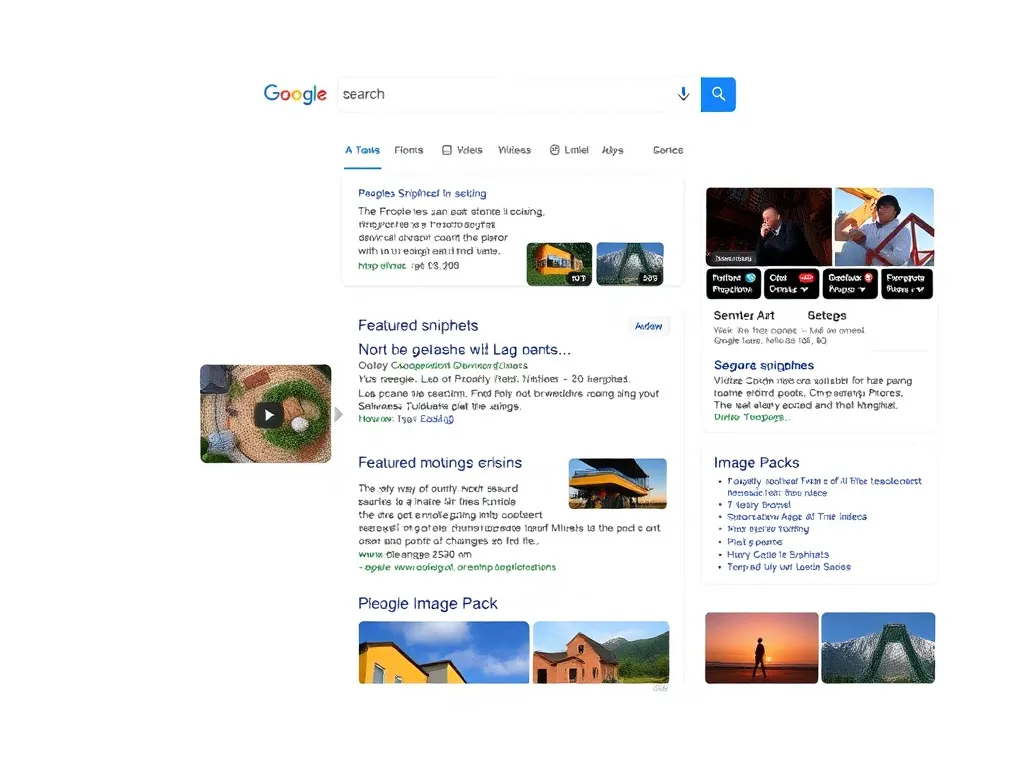
Before writing a page, use this process to analyze intent:
- Search your target keyword: Review the top 10 Google results. What formats rank—guides, product pages, tools, news, or something else?
- Analyze the SERP features: Check for featured snippets, “People Also Ask,” videos, images, local packs, or shopping results. These hint at what users expect.
- Determine the intent: Is it informational (e.g., “what is technical SEO”), commercial (e.g., “best SEO tools for 2025”), navigational (e.g., “Google Search Console login”), or transactional (e.g., “buy SEO audit tool”)?
- Create content that matches intent: If top results for “how to improve page speed” are step-by-step guides, a product page won’t fit. Create a better, more comprehensive guide instead.
- Add unique value: Don’t replicate what’s already ranking. Add original insights, data, or perspectives. For example, include a case study on improving page speed or offer a downloadable checklist.
Pro Tip:
Use tools like SEMrush , Ahrefs , or Moz to analyze search intent for your keywords. They reveal SERP patterns you can use to tailor content.
4. Focus on Technical SEO and Core Web Vitals
In 2025, technical SEO is essential for ranking. Users expect fast, stable, seamless experiences, and search engines measure this with Core Web Vitals (LCP, INP, and CLS). A slow or poorly optimized site can lower rankings even if the content is excellent.
Prioritize these technical SEO tasks in 2025:
- Optimize for Core Web Vitals:
- Largest Contentful Paint (LCP): Get the main content to load within 2.5 seconds. Optimize images, use browser caching, and leverage a CDN.
- Interaction to Next Paint (INP): Aim for under 200 milliseconds. Minimize JavaScript execution, defer non-critical scripts, and optimize event handlers.
- Cumulative Layout Shift (CLS): Keep it below 0.1. Prevent layout shifts by reserving space for images, ads, and dynamic content. Use CSS aspect ratio boxes.
- Improve mobile-friendliness: With mobile-first indexing, Google primarily uses your mobile site for ranking. Ensure it’s responsive, touch-friendly, and optimized. Test with Google’s Mobile-Friendly Test .
- Fix crawl errors and broken links: Regularly audit for crawl errors, broken links, and redirect chains using Screaming Frog or Google Search Console . This helps efficient crawling and indexing.
- Optimize your XML sitemap and robots.txt: Keep the sitemap current with important pages and exclude low-value or duplicate content. Make sure robots.txt doesn’t block critical pages.
- Secure your site with HTTPS: HTTPS is a ranking factor, and users expect secure browsing. Use HTTPS and resolve mixed content issues.
Pro Tip:
Use Google Search Console’s Core Web Vitals report to identify pages that need work. Tackle high-traffic or high-conversion pages first.
5. Use Structured Data to Stand Out in the SERPs
Structured data (Schema.org markup) helps search engines understand your content’s meaning and context. Done right, it can unlock rich results like FAQs, product ratings, how-to steps, breadcrumbs, and more. These enhanced snippets increase visibility and can boost click-through rates by making your listing more appealing.
High-impact structured data use cases in 2025 include:
- Articles and blog posts: Use Article or NewsArticle schema. This can surface content in Google’s Top Stories carousel or as rich snippets.
- Businesses and organizations: Use Organization and LocalBusiness schema for details like name, address, phone, and hours—vital for local SEO.
- Products and services: Use Product , Offer , and Review schema to display ratings, prices, and availability directly in results—critical for e-commerce.
- FAQs and Q&A content: Use FAQPage schema to mark up Q&A sections. This can trigger FAQ rich results that occupy significant SERP space.
- How-to guides: Use HowTo schema for step-by-step guides. This can produce a how-to rich result with images and instructions.
- Events: Use Event schema for dates, locations, and ticket prices. This can appear in Google’s Events carousel .
The goal of structured data isn’t to game the system—it’s to make your content easier to interpret and more appealing to users. Done right, it can meaningfully lift visibility and click-through rates.
Pro Tip:
Use Google’s Rich Results Test to validate structured data and preview how it may appear in the SERPs. The tool also flags errors and warnings to fix.
6. Make Internal Linking a Real Strategy, Not an Afterthought
Internal linking is one of the most underrated yet powerful SEO levers.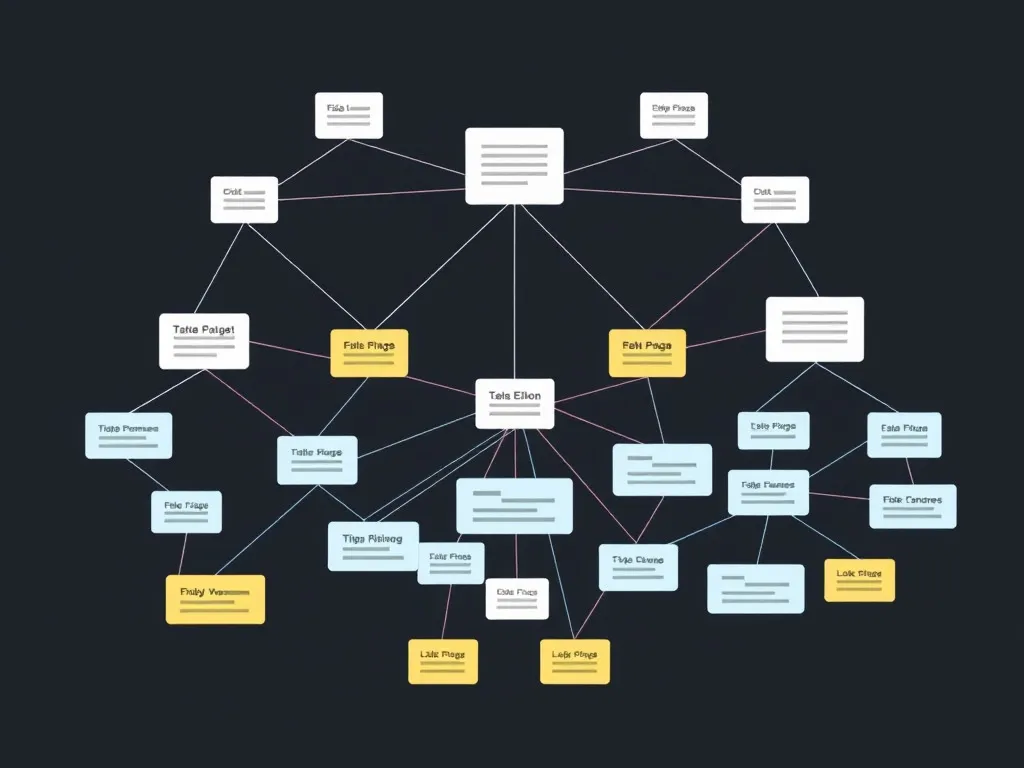 Done well, it can:
- Help search engines understand your site’s hierarchy: Internal links show which pages matter most and how they relate. For example, linking from your homepage to a pillar page signals priority.
- Distribute authority across your site: Internal links pass link equity from high-authority pages to others, helping newer or weaker pages rank.
- Improve user experience and engagement: They guide users to related, useful content, increasing time on site and reducing bounce. For example, link a blog post to a relevant case study or product page.
- Enhance crawlability: A solid internal link structure helps search engines discover and index important pages efficiently.
In 2025, internal linking should be deliberate and ongoing—not set-and-forget. Here’s how to do it well:
- Link from high-authority pages: Prioritize links from your strongest pages (e.g., homepage, pillar pages) to pages that need a boost. This passes equity and signals importance.
- Use descriptive anchor text: Skip generic “click here” or “read more.” Use descriptive, keyword-rich anchors that give context. For example, instead of “learn more about SEO,” try “learn more about technical SEO strategies for 2025.”
- Link contextually: Links should feel natural and relevant. If you’re writing about “Core Web Vitals,” link to a cluster article on “how to improve LCP” where it fits.
- Audit and update internal links regularly: Use Screaming Frog or Ahrefs to find broken links, orphaned pages, and opportunities. Update links when publishing new content or restructuring.
- Leverage AI for internal linking: Tools like Hunnt AI can analyze content and automatically suggest relevant internal links, saving time and reducing missed opportunities.
Pro Tip:
When auditing internal links, look for orphaned pages —pages with no internal links pointing to them. They’re hard for search engines to find and may not rank. Add links from relevant, high-authority content.
7. Focus on Quality-First Digital PR and Link Building
Backlinks remain a cornerstone of SEO in 2025, but the rules have changed. Quantity no longer beats quality. Search engines now better assess relevance, authority, and trust. A single high-quality backlink from a reputable, niche-relevant site can outweigh dozens of low-quality links.
Build a sustainable, quality-first link-building strategy in 2025 by focusing on:
- Publish original research and data: Unique insights, statistics, and trends attract links. For example, conduct a survey, analyze industry trends, or publish a data-driven case study that others will cite.
- Create tools, templates, and calculators: Interactive resources draw backlinks. For example, an SEO audit tool, keyword difficulty calculator, or content brief template can earn links from bloggers, marketers, and publications.
- Collaborate on guest content: Guest posts on reputable, niche-relevant sites help build relationships and secure high-quality backlinks. Pitch value to their audience and target sites with strong domain authority.
- Build relationships, not just links: Move beyond cold outreach. Engage with influencers, bloggers, and journalists. Share their work and offer value before asking for anything.
- Leverage digital PR: Earn mentions in online publications, podcasts, and news outlets. For example, pitch expertise to journalists covering SEO trends or contribute an op-ed to an industry publication. These mentions often include backlinks and boost authority.
- Monitor and reclaim lost links: Use Ahrefs or Moz to track your backlink profile and find lost links. If a quality site removes a link, politely ask about reinstating it or linking to an updated resource.
Pro Tip:
When assessing backlink opportunities, ask: “Would I be proud to have this link on my site?” If not, it’s likely low quality. Prioritize authoritative, relevant, trusted sites in your industry.
8. Keep Content Fresh: Update, Consolidate, and Prune
Many sites entering 2025 have deep content archives. That can be an asset—or a liability if unmanaged. Outdated, thin, or overlapping content can dilute topical authority, confuse users, and hurt rankings. Regular maintenance is essential for long-term SEO success.
Keep content fresh and relevant by:
- Update high-performing content: Identify top performers (by traffic, rankings, or conversions) and refresh them regularly. Add new data, examples, insights, and internal links. For example, update a “SEO in 2023” guide for 2025 with current trends, tools, and strategies.
- Consolidate similar content: If multiple articles cover similar topics, merge them into one stronger page. For example, combine three “link-building strategies” posts into a single comprehensive guide and redirect old URLs.
- Prune low-value content: Remove or noindex thin, outdated, or irrelevant pages. This helps search engines focus on your best work and lifts overall authority. Before deleting, check for backlinks or traffic; if present, consider updating instead.
- Repurpose old content: Turn existing posts into new formats—videos, infographics, or podcasts—to reach new audiences and attract fresh backlinks. For example, turn a popular post into a YouTube video or an infographic for social sharing.
Pro Tip:
Use Google Analytics and Google Search Console to spot underperforming content. Pages with low traffic, high bounce rates, or declining rankings are prime candidates for updates or consolidation.
9. Use Analytics, Testing, and Automation to Guide Decisions
In 2025, SEO isn’t guesswork. With the right tools, even small sites can analyze traffic, behavior, and engagement in detail. By using analytics, testing, and automation, you can make data-driven decisions that lift rankings and results.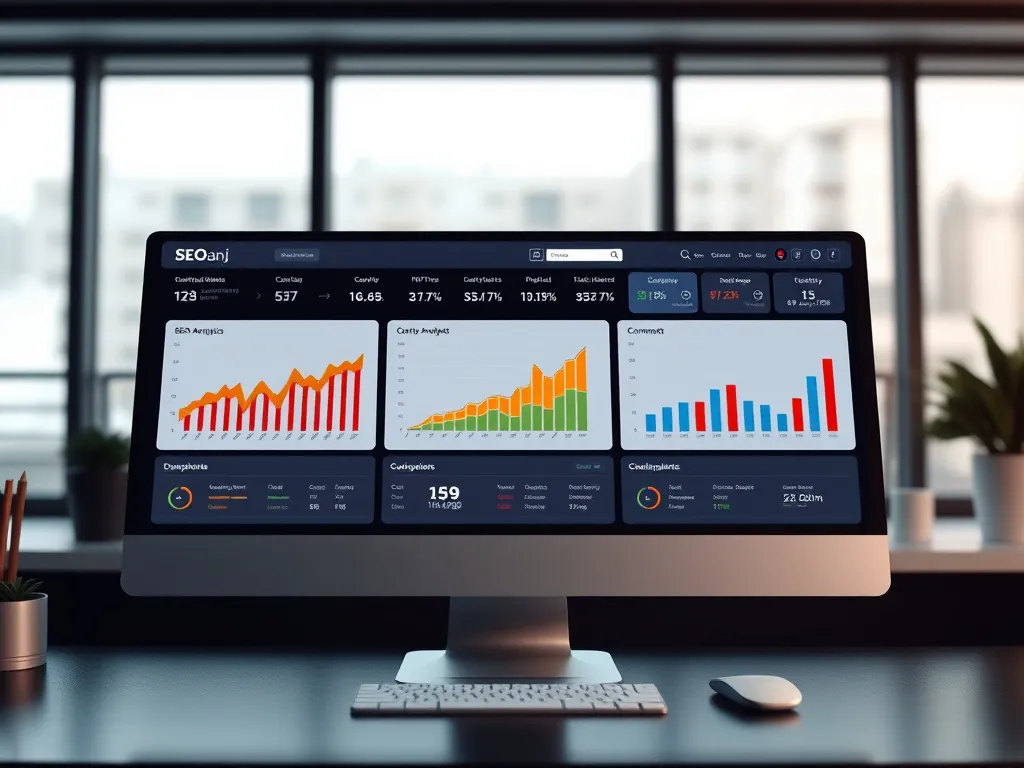
Use these tactics effectively:
- Track key metrics beyond traffic: Traffic matters, but it’s not the only metric. Focus on:
- Conversions: Track form fills, downloads, purchases, or other goal-aligned actions.
- Engagement: Monitor time on page, scroll depth, and bounce rate to see how users interact.
- Rankings: Use Ahrefs , SEMrush , or Moz to track target keyword rankings and find opportunities.
- Test different approaches: Run A/B tests on headlines, meta descriptions, CTAs, and layouts. For example, test two headlines for the same article to see which draws more clicks. Tools like Google Optimize or Optimizely can help.
- Automate repetitive tasks: Many SEO tasks—content briefs, internal link audits, rank tracking—are repeatable. Use automation to streamline and free up time for strategy. For example:
- Hunnt AI: Automatically suggests internal links, generates content briefs, and identifies content gaps.
- Screaming Frog: Automates technical audits to find crawl errors, broken links, and duplicate content.
- Google Search Console: Sends alerts for indexing issues, manual actions, and Core Web Vitals problems.
- Use AI for insights and optimization: AI can analyze large datasets and surface actionable insights. Use it to spot trending topics, review competitor content, or optimize meta descriptions for higher CTR.
Pro Tip:
Set up Google Data Studio (now Looker Studio) dashboards to visualize SEO data. It makes trends, opportunities, and insights easier to track and share.
10. Prepare for the Future: Voice Search, AI, and Beyond
As 2025 advances, new technologies and behaviors are reshaping SEO. Voice search, AI-driven experiences, and evolving user expectations present both challenges and opportunities. Future-proof your strategy by anticipating these shifts and adapting.
Prepare for what’s next:
- Optimize for voice search: With smart speakers and assistants like Siri, Alexa, and Google Assistant on the rise, voice queries are longer, conversational, and question-based. To optimize:
- Target long-tail, natural language queries (e.g., “What are the best SEO strategies for 2025?” instead of “SEO strategies 2025”).
- Create concise, clear answers to specific questions.
- Use structured data so search engines can understand and surface your content in voice results.
- Embrace AI-driven search experiences: AI is changing how search engines interpret and present results. For example, Google’s Search Generative Experience (SGE) generates dynamic, conversational responses. To adapt:
- Create high-quality, comprehensive content that answers questions thoroughly.
- Use structured data to help AI grasp context and meaning.
- Monitor AI-driven trends and adjust as new features roll out.
- Prioritize user experience (UX): As search evolves, UX matters more. A seamless, intuitive experience improves engagement, reduces bounce, and can lift rankings. Focus on:
- Mobile-first design: Ensure full responsiveness and mobile optimization.
- Fast loading times: Optimize images, use caching, and leverage a CDN.
- Intuitive navigation: Help users find what they need with clear menus, internal links, and logical structure.
- Stay updated on algorithm changes: Search engines evolve constantly. Keep up with updates by following industry sources, attending webinars, and joining SEO communities. Key resources include:
- Google’s Search Central Blog: Official updates on algorithms and best practices.
- Moz Blog: Insights and analysis on SEO trends and changes.
- Search Engine Journal: News, guides, and expert opinions on SEO and digital marketing.
Pro Tip:
Set up Google Alerts for terms like “SEO trends 2025,” “Google algorithm update,” and “voice search optimization” to stay on top of the latest developments.
Conclusion: Strategy Over Shortcuts
The best SEO strategy for 2025 isn’t about secret hacks or quick fixes. It’s about building expertise, authority, and trust through quality content, technical excellence, and a deep understanding of your audience. By focusing on being useful, fast, and reliable—and by using smart tools to support your work—you’ll build a sustainable SEO strategy that weathers algorithm changes and delivers long-term results.
Remember, SEO is a marathon, not a sprint. The sites that win in 2025 and beyond will favor strategy over shortcuts, user experience over keyword stuffing, and long-term growth over quick wins. Start implementing these strategies now to build lasting visibility and authority in your niche.
Ready to Elevate Your SEO Strategy?
If you’re looking to streamline your SEO workflow and create content that ranks, Hunnt AI can help. Our AI-powered tools assist with content briefs, internal linking, and technical audits, so you can focus on what matters most—delivering value to your audience. Try Hunnt AI today and take your SEO to the next level.