

Structured data is one of the most important technical SEO elements for helping search engines understand your pages more clearly. It gives Google, Bing, and AI search systems extra context about your content, your brand, your articles, your products, your FAQs, and your site structure.
In this guide, you’ll learn what structured data means in SEO, why schema markup matters, which schema types are most useful, and how to use structured data examples to improve search visibility and machine understanding.
Understanding Schema Markup: A Basic Guide
Essentially, schema markup is a semantic vocabulary added to HTML so search engines can interpret and present your content. The most common format is JSON-LD, which Google recommends for easier maintenance and minimal template changes. Other formats exist, but JSON-LD lets you add markup in the head or body without altering layout. Think of schema as a label maker that explicitly identifies what each piece of content is—an organization, product, recipe, or event—instead of leaving algorithms to infer meaning.
Schema can change how your pages appear by enabling rich results—images, ratings, prices, FAQs, breadcrumbs, and more—often occupying more SERP real estate and attracting attention. While structured data does not guarantee rich results, it materially increases eligibility when aligned with guidelines. It also feeds knowledge panels, carousels, and other enhanced placements and improves indexing by giving search engines a precise, machine-readable model of your content and entities.
Before adding schema, make sure your technical SEO foundation is clean, because crawl errors and indexing issues can prevent Google from seeing your structured data properly.
Common Structured Data Types for SEO
Different schema types support different SEO goals. The most useful type depends on the page, the content format, and the search intent behind the topic.
| Schema Type | Best Used For | SEO Benefit |
|---|---|---|
| Article Schema | Blog posts and editorial content | Helps search engines understand the article title, author, date, and publisher. |
| FAQ Schema | Question and answer sections | Clarifies common questions and improves content structure. |
| Breadcrumb Schema | Site navigation paths | Helps Google understand page hierarchy and site structure. |
| Organization Schema | Company and brand information | Strengthens brand entity signals and business context. |
| Product Schema | Product and SaaS pages | Helps search engines understand product details, features, and offers. |
| SoftwareApplication Schema | SaaS tools and software platforms | Useful for AI tools, SEO platforms, apps, and product-led websites. |
The Essential Importance of Structured Data in SEO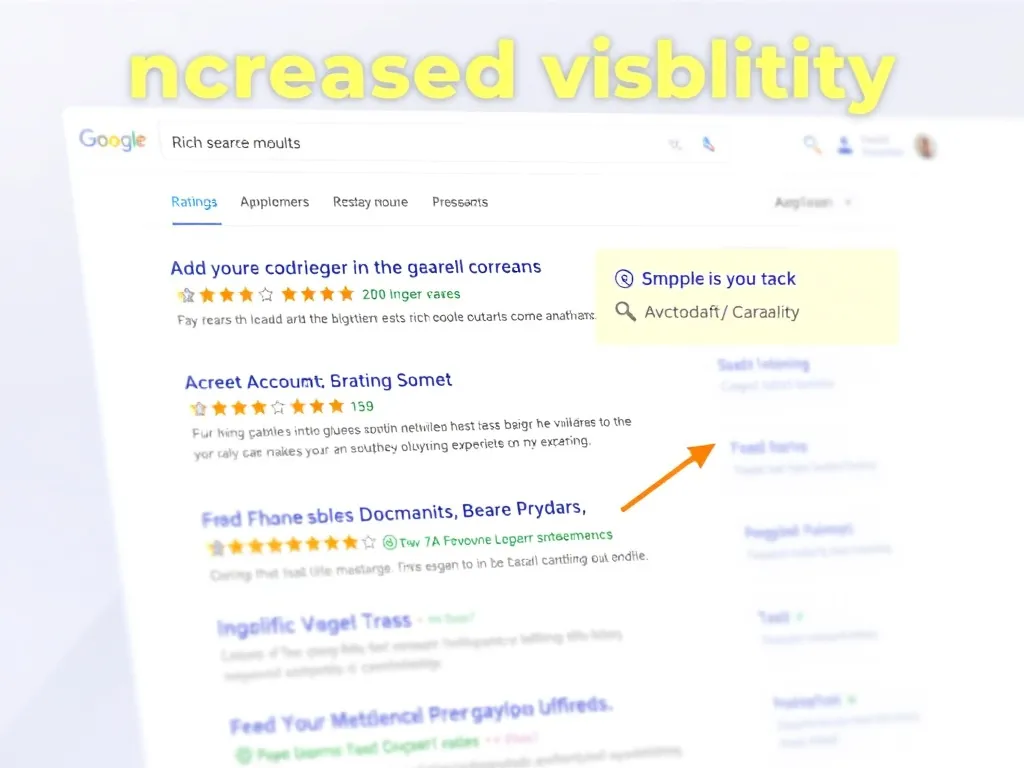
In a landscape built on entities and relationships, structured data is foundational. It clarifies facts, strengthens topical signals, supports features like Discover, and aligns your brand with its products, locations, and people. Proper implementation reduces misinterpretation, reinforces expertise and authority, and readies your content for voice and multimodal results.
- Increased Visibility: Rich snippets can boost visibility and organic traffic. Showing price, availability, ratings, or cooking time directly in SERPs helps your listing match intent and stand out. Structured data also unlocks specialized result types—recipe carousels, event listings, merchant results—that typical blue links may miss.
- Better CTR: Enhanced displays pre-answer key questions (“In stock?” “How long?”), reducing friction and building trust. Many sites see double-digit CTR lifts on eligible pages, often followed by higher conversion rates and clearer insights into audience intent.
- Voice Search Readiness: Assistants rely on concise, unambiguous facts. FAQPage, HowTo, and other markups make answers easy to extract and cite, improving your odds of being surfaced for conversational queries.
- Mobile Compatibility: On small screens, users want scannable, actionable data—tappable FAQs, hours, directions, and calls. Schema helps populate these elements and aligns with Local Business details, speeding decisions and actions.
Types of Schema Markup and Their Uses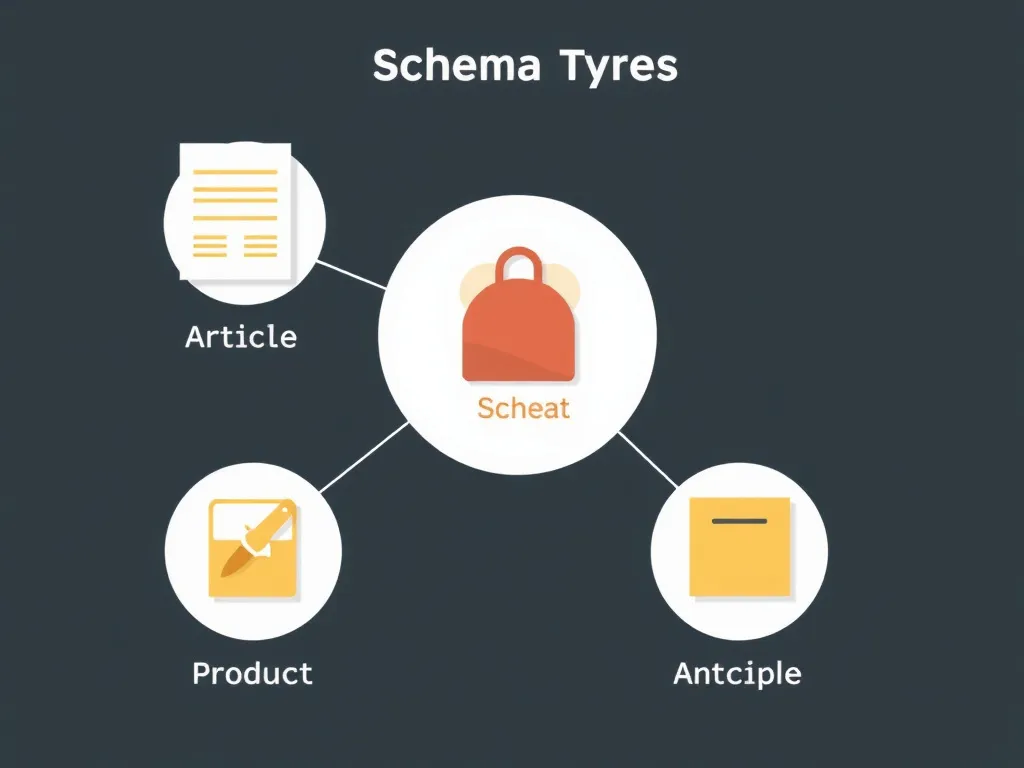
Many schema types support different content. Choose the most specific option (e.g., Recipe instead of Article) and nest related types (a Product with an AggregateRating and Offer). Most sites benefit from core types like Organization, Website, BreadcrumbList, Article, Product, LocalBusiness, FAQPage, and HowTo—mapped to their primary templates and content.
| Schema Type | Description |
|---|---|
| Article Schema | For news, blogs, and other written content. Include headline, image, author, datePublished, dateModified, and mainEntityOfPage to clarify authorship and timeliness. Use the right subtype (NewsArticle, BlogPosting) and ensure the visible byline and dates match the markup. Provide quality images at recommended dimensions, and avoid misleading or promotional fields. |
| Product Schema | Surface price, availability, and reviews in search. Nest Offer (price, priceCurrency, availability, url) and consider AggregateRating and Review. Add brand, sku, mpn, and identifiers (gtin) to disambiguate items. Keep inventory status accurate and ensure structured data reflects what’s visible on product pages—avoid marking category or collection URLs with item-level details. |
| Recipe Schema | Add recipeIngredient and recipeInstructions (HowToStep or HowToSection), plus prepTime, cookTime, totalTime, recipeYield, and nutrition (e.g., calories). Include an image, and optionally video and ratings, to qualify for galleries and rich cards. Keep steps concise and sequential, and ensure that all ingredients and instructions are visible on the page. |
| Local Business Schema | Display opening hours, contact info, and location. Use the correct subtype (e.g., Restaurant, MedicalClinic, Store) and include name, address, telephone, url, openingHoursSpecification, sameAs, and geo. For multi-location brands, create location pages with accurate NAP data that match your Google Business Profile. Consider hasMap and reservation or menu links where relevant to power map and mobile actions. |
| FAQ Schema | Mark up pages that contain visible questions and complete answers. Use the proper Question and Answer structure, keep responses concise, and avoid promotional copy. Eligibility for rich results can vary, but the markup still clarifies page intent and supports voice and on-site search features. Always reflect on-page content. |
Schema also supports AI search visibility, especially when your content is structured for ChatGPT, Perplexity, and Google AI Overviews.
Step-by-Step Guide to Using Schema Markup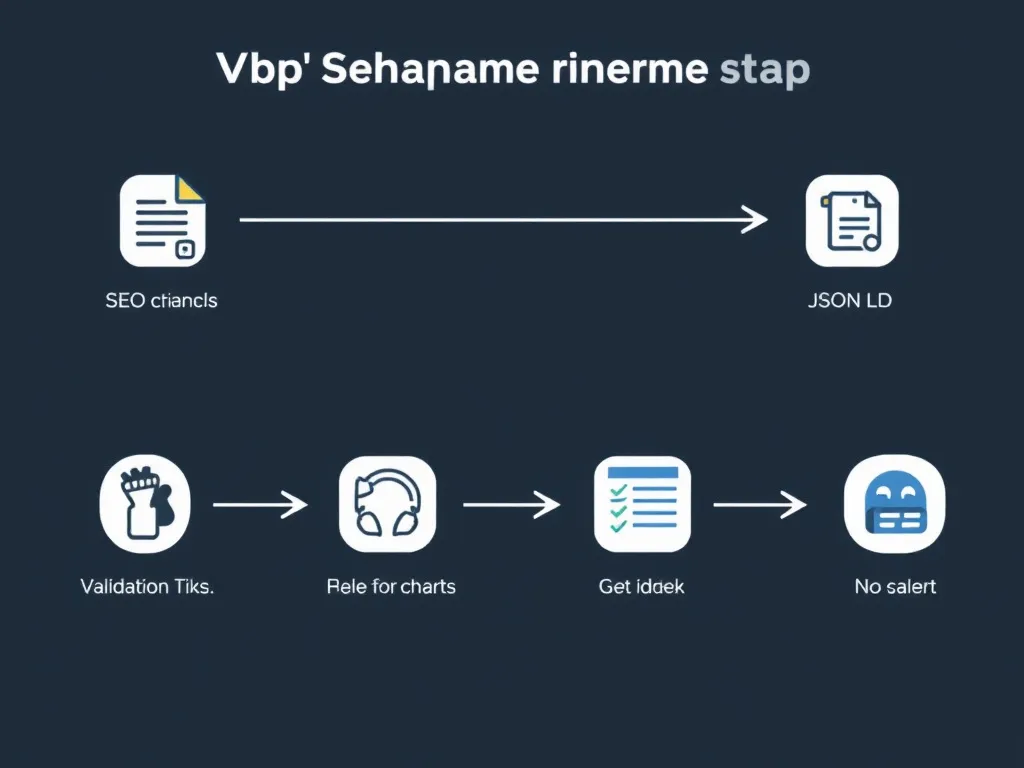
Implementing schema is manageable with a clear process:
- Identify schema types aligned with your content using Schema.org . Audit key templates (products, posts, locations) and map each to the most specific type. Add foundational markup—Organization, Website, BreadcrumbList—and document required properties so developers and editors have a shared reference.
- Use tools like Google’s Structured Data Markup Helper or a JSON-LD generator. Many CMSs and eCommerce platforms can auto-generate markup from existing fields; verify outputs match what users see. Plan for optional fields (ratings, videos) that may not appear everywhere.
- Insert JSON-LD in the head or body consistently across templates. Avoid duplicating the same entity on a page and ensure nested items (e.g., Offer within Product) are correctly structured. If deploying via a tag manager, coordinate timing so markup loads with initial render.
- Validate with Google’s Rich Results Test and the Schema Markup Validator. Check representative pages from each template, fix errors, and address warnings where practical. Monitor Google Search Console’s Enhancements reports to catch regressions after deployments.
- Submit updated sitemaps in Search Console to prompt recrawling. Track performance by comparing pages with and without rich results, and consider phased rollouts to measure impact before scaling across templates or locales.
If your pages are not being discovered or indexed, start by fixing your Google Search Console indexing issues before scaling schema across the site.
Case Studies: Success Stories in Schema Usage
Many companies see meaningful gains from schema. Retailers, service brands, and publishers report improved discoverability and engagement after implementing Product, LocalBusiness, Article, and FAQPage where they fit the content.
“After implementing product schema markup, XYZ Retail saw a 30% rise in organic traffic and a 20% improvement in conversion rates within three months. The rich snippets displaying prices and availability in SERPs were key drivers.” XYZ first targeted high-traffic product lines, synchronized price and inventory with page content, and added ratings from verified reviews. Test pages gained star ratings and “In stock” labels, attracted more qualified clicks, and improved add-to-cart rates. The team then expanded coverage to category pages (BreadcrumbList) and brand hubs (Organization) to strengthen the site’s entity footprint.
Common Obstacles Faced and How to Overcome Them
Structured data can be tricky. Here are frequent challenges and practical fixes:
- Challenge: Complexity in coding schema across templates and dynamic pages.
- Solution: Use Google’s helper tools, start with high-impact types, and leverage CMS plugins. Maintain a quick-reference of required vs. recommended properties and share tested JSON-LD examples with developers.
- Challenge: Keeping schema current as catalogs, hours, or content models change.
- Solution: Tie structured data to the same source-of-truth fields as on-page content and automate updates when inventory or hours change. Review periodically against schema.org and search guidelines.
- Challenge: Syntax errors and invalid values leading to warnings or lost eligibility.
- Solution: Validate regularly with Google’s Rich Results Test, add QA checks to deployments, and monitor Search Console’s Enhancements reports to catch and fix issues early.
The Role of AI in Enhancing Schema Markup
AI can streamline schema work by extracting entities, mapping them to specific types, and flagging missing properties that affect eligibility. NLP can parse headings, lists, and tables to produce compliant JSON-LD quickly while rules ensure markup mirrors visible content.
- Automating schema creation and updates at scale. AI can detect template patterns, generate JSON-LD, and refresh markup when business hours, prices, or availability change—reducing manual effort across thousands of pages.
- Identifying the best schema types via semantic analysis. For example, recommending HowTo over Article for tutorials and segmenting steps automatically. It can also highlight missing required fields for rich results.
- Anticipating SERP trends to prioritize properties. If merchant listings grow, AI may suggest emphasizing Product and Offer details or adding shipping and returns to stay competitive.
Platforms like Hunnt AI accelerate audits, generate compliant JSON-LD, and add governance so humans approve changes before deployment. This blend of automation and expert review helps teams scale quickly without sacrificing accuracy.
Practical Uses and Emerging Trends
As search, assistants, and recommendations converge, schema keeps your facts consistent across surfaces. It also reinforces the who, what, and when of your content—core signals for trust as AI-driven experiences expand.
- Voice Search: Focus on clear answers and logical structure. Mark Q&A content with FAQPage and keep responses concise. For instructions, use HowTo with step-level details to support hands-free scenarios.
- AI Integration: Use AI to identify high-value schema types and implement them quickly. Pair recommendations with editorial judgment to avoid over-marking or adding properties not visible on the page.
- Comprehensive SEO Strategy: Bake schema into content briefs and technical templates. Ensure breadcrumbs reflect site architecture, and measure impressions, CTR, and conversions for rich-result pages versus standard listings.
For a broader checklist, review our technical SEO hub covering schema, crawling, indexing, and Core Web Vitals.
Conclusion: Moving Forward with Schema Markup
Schema markup is now essential. While not a direct ranking factor, it shapes how information is interpreted and displayed—impacting engagement, qualified traffic, and conversions.
By adopting structured data, brands communicate clearly with search engines and earn better presentation in results. As AI and voice expand, treat schema as an evolving program: reflect what users see, follow guidelines, and maintain a cycle of plan, implement, validate, and measure.
To stay ahead, approach schema as an ongoing strategy. Use tools and platforms like Hunnt AI to audit, generate, validate, and govern markup. Start with a focused audit, implement high-impact types on key templates, monitor results, and expand. With disciplined execution, structured data becomes a durable advantage that compounds over time.
Structured Data SEO FAQs
What is structured data in SEO?
Structured data is a standardized way to give search engines extra information about a page. In SEO, it helps Google understand the page type, topic, author, organization, products, FAQs, breadcrumbs, and other important details.
Does structured data improve rankings?
Structured data is not a direct guarantee of higher rankings, but it helps search engines understand your content more clearly. Better understanding can support visibility, eligibility for enhanced search features, and stronger entity signals.
What are examples of structured data?
Common examples include Article Schema, FAQ Schema, Breadcrumb Schema, Organization Schema, Product Schema, Review Schema, and SoftwareApplication Schema.
Which schema type is best for blog posts?
For blog posts, Article Schema or BlogPosting Schema is usually the most relevant. It can include the headline, author, publish date, modified date, image, publisher, and article body information.
How do I test structured data?
You can test structured data using Google’s Rich Results Test or Schema Markup Validator. After testing, check Google Search Console to monitor valid enhancements and structured data issues.
Turn Structured Data into a Stronger SEO System
Schema markup is only one part of technical SEO. To improve visibility, your website also needs clean indexing, strong internal links, fast pages, useful content, and a clear topic structure.
Explore the Technical SEO Hub or see how Hunnt AI helps teams improve SEO workflows.